Leak Detection Methods
- Specialist equipment includes:
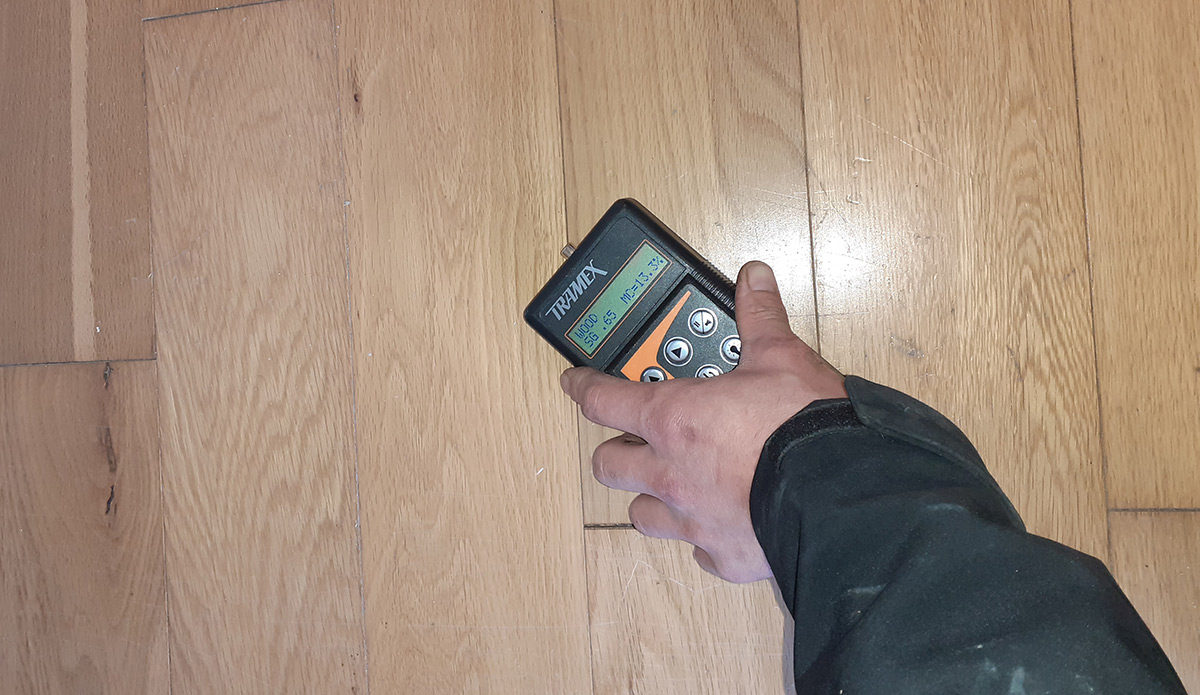
- Moisture meters
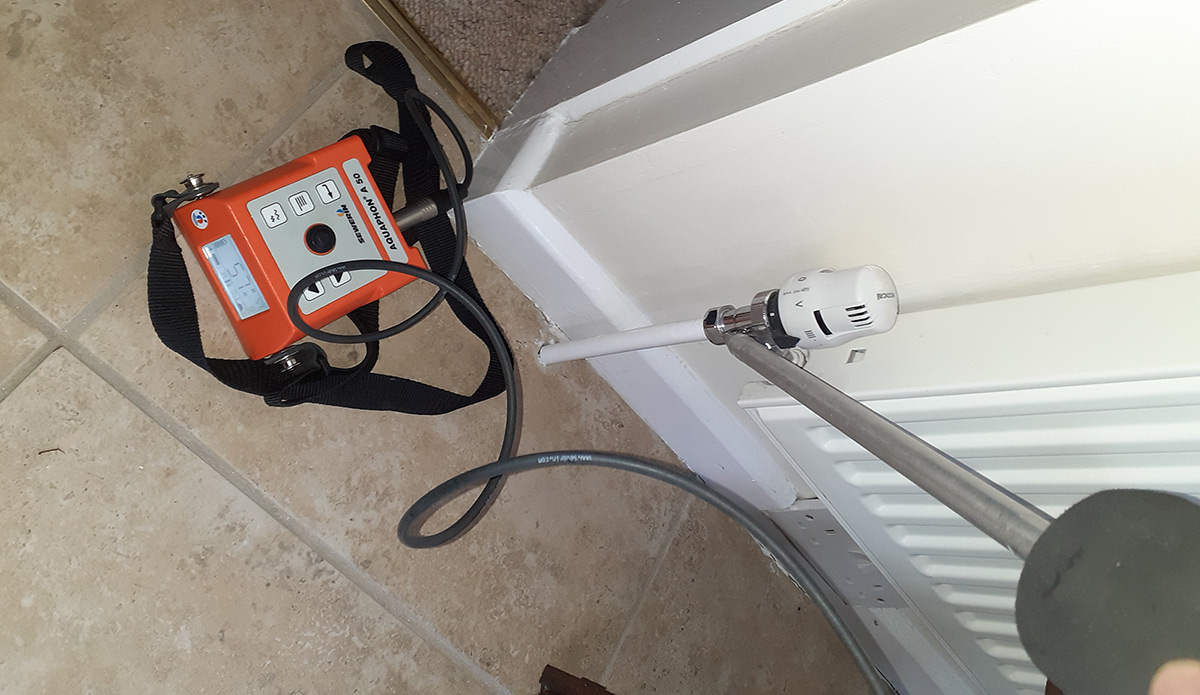
- Acoustic leak detectors
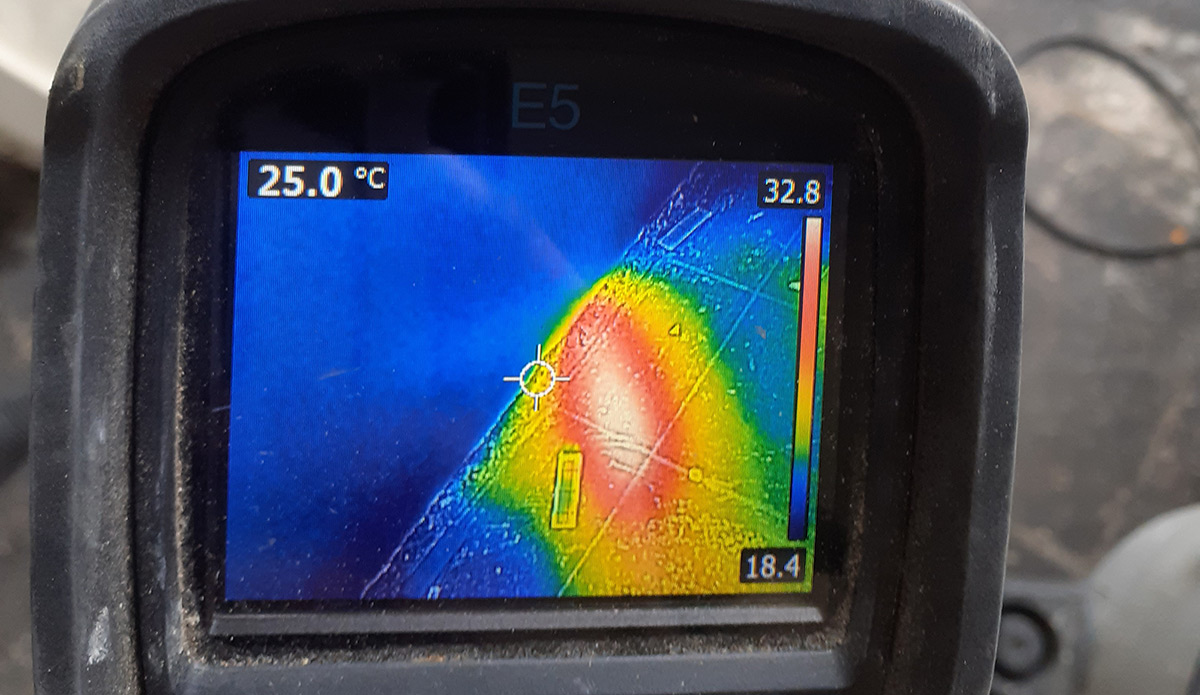
- Thermal imaging cameras
- Tracer gas detection equipment
Professional Leak Detection
We use specialist equipment and investigative methods to locate concealed water leaks and identify where access may be required. Some home insurance policies include trace and access cover, but customers should check their policy wording or contact their insurer before work begins.
Trace and Access
Our leak detection service can be provided as either trace only or trace and access.
- Trace only – we use specialist equipment and investigative methods to identify the likely location of the leak. You can then arrange for the area to be opened and the leak repaired.
- Trace and access – after identifying the likely location of the leak, we create sufficient access to expose it. You can then ask us to carry out the repair where possible or arrange for another contractor to complete the work.
Leak Hunters technicians are trained to investigate difficult-to-find leaks using a combination of specialist testing methods. We aim to identify the likely leak location accurately and, where practical, provide access and carry out repairs during the same visit. Some central heating and concealed pipework leaks may require further investigation or follow-up work.
Leak Detection Equipment We Use
Moisture Meters
Moisture meters help us identify elevated moisture levels in materials such as timber, concrete, tiles, laminate and plasterboard. We use non-penetrating meters where appropriate, allowing us to investigate without damaging the surface. Readings taken across an area can help us assess moisture distribution, compare affected and unaffected materials, and measure relative humidity.
Acoustic Leak Detection
Escaping water can create characteristic sounds and vibrations within pressurised pipework. Acoustic detection equipment helps our technicians listen for these signals and compare their intensity across an area. Depending on the pipe material, pressure and surrounding construction, this can help narrow down a leak on hot, cold or central heating pipework, including pipes beneath floors or within concrete.
Thermal Imaging
Thermal imaging helps us identify unusual surface temperature patterns that may be associated with leaking hot or cold pipework. It can also assist with tracing the route of heating and hot-water pipes beneath certain floors. Because temperature anomalies can have several causes, thermal imaging is normally used alongside other leak detection methods rather than as a standalone test.
Tracer Gas Testing
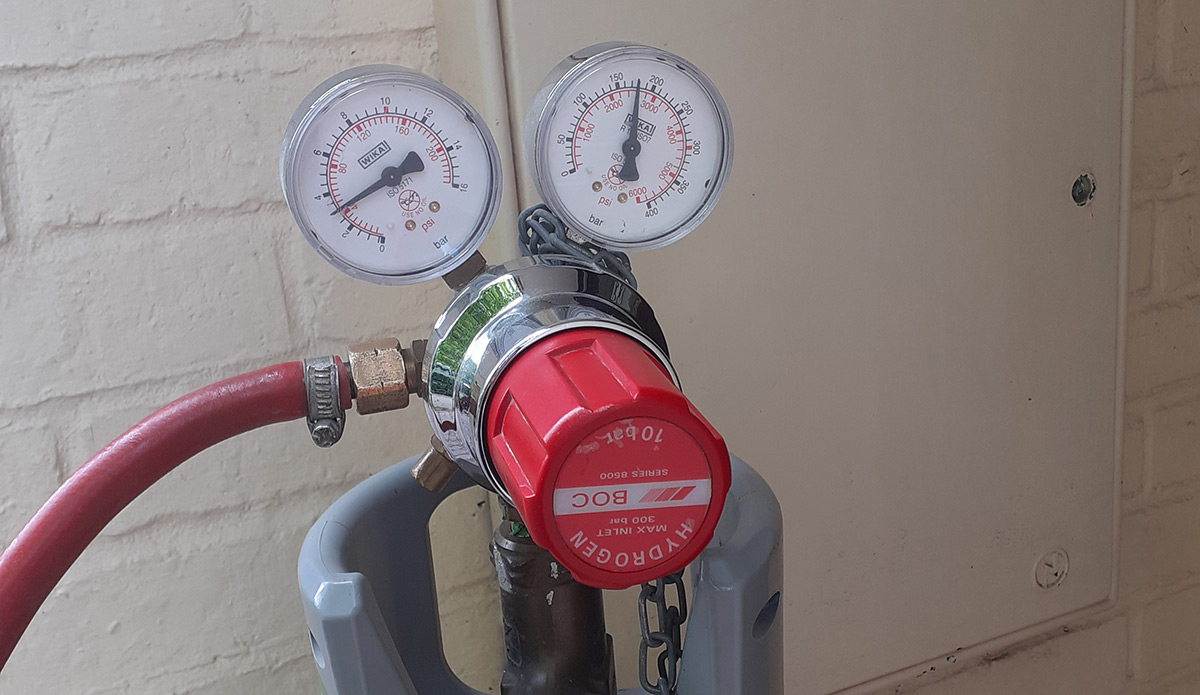
Tracer gas testing uses a specialist mixture of 5% hydrogen and 95% nitrogen. The gas can escape through very small openings and may travel through porous materials such as concrete or compacted soil, making it useful for investigating concealed leaks.
Where appropriate, the water is drained from the relevant pipework and the system is isolated before tracer gas is introduced at a controlled pressure. Our detection equipment is then used to search for gas escaping from the suspected leak location. Pressure gauges may also be monitored for changes during the test.